Carl Jung

When Carl Jung patented his vacuum distillation process in 1908, he solved a problem that had vexed winemakers for decades: how to remove alcohol from wine without destroying everything that makes wine worth drinking. Over a century later, his family business remains the benchmark for dealcoholised wine.
The story begins in Rüdesheim am Rhein, where the Jung family had been making wine since 1868. At the turn of the twentieth century, Maria Jung noticed something troubling during her sales rounds. Regular customers were turning away purchases, citing health reasons for avoiding alcohol. Rather than accept lost business, the family experimented in their distillery. Carl Jung, drawing inspiration from accounts of Himalayan expeditions where water boiled at lower temperatures due to altitude, developed a technique using vacuum to lower the boiling point. This meant extracting alcohol at temperatures below 30 degrees Celsius, gentle enough to preserve the wine's aromatic compounds.
The breakthrough wasn't just technical. It was philosophical. Jung believed good wine didn't need alcohol to deliver flavour and pleasure. That conviction guided the family through five generations and remains central to everything they produce today.
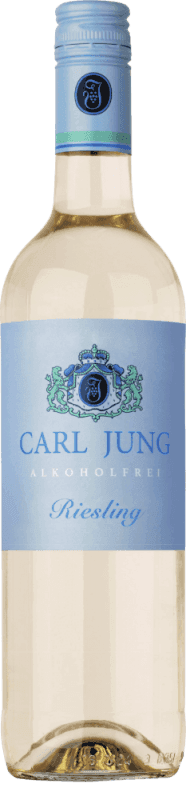
From their base at Schloss Boosenburg, a castle the family has owned since 1939, Carl Jung produces over ten million bottles annually. The range covers the major varietals you'd expect from a serious wine producer. Their Riesling shows the crisp acidity the Rheingau region is famous for. The Chardonnay offers buttery notes without the alcoholic warmth. Red wine drinkers can choose from Cabernet Sauvignon, Merlot, or Shiraz, each retaining varietal character despite the dealcoholisation process. Sparkling options include a Blanc de Blancs and various Mousseux styles.
The production method still follows Jung's original principles, though the technology has evolved. Selected wines undergo vacuum extraction, with the aromatic compounds captured separately and reintroduced after the alcohol is removed. The result sits at around 0.5% ABV and contains roughly a third of the calories of standard wine.
Carl Jung's influence extends far beyond their own bottles. The vacuum distillation method they pioneered became the industry standard across Germany and remains one of the three main dealcoholisation technologies used worldwide. When other producers started taking alcohol-free wine seriously in the 2010s, they were building on foundations Jung laid over a hundred years earlier.
Distribution spans more than thirty countries. In the UK, you'll find their wines through specialist retailers like Dry Drinker and various online shops. They're positioned at the premium end of the dealcoholised wine market, priced higher than supermarket own-brands but justified by the quality and heritage.
For anyone approaching alcohol-free wine with scepticism, Carl Jung makes a compelling argument. This isn't a recent startup chasing trends. It's a family business that has spent over a century refining a single craft. The wines won't fool anyone into thinking they're drinking full-strength Bordeaux, but they deliver genuine wine character in a way that cheaper alternatives simply cannot match.
At a Glance
- Origin
- Germany
- Price Point
- Premium
- Website
- www.carl-jung.de
Available at
The Collection
17 drinksCarl Jung
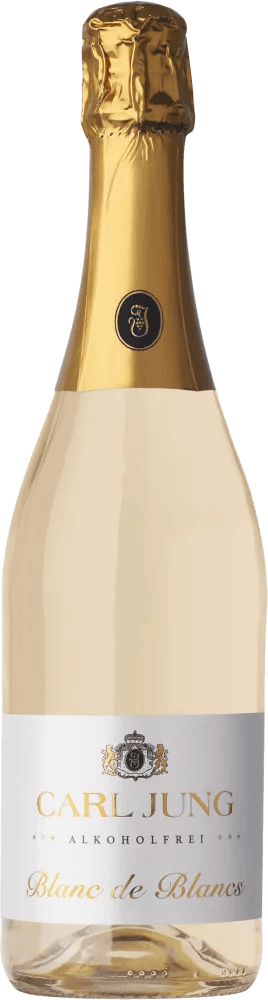
Blanc de Blancs Chardonnay Sekt
Carl Jung
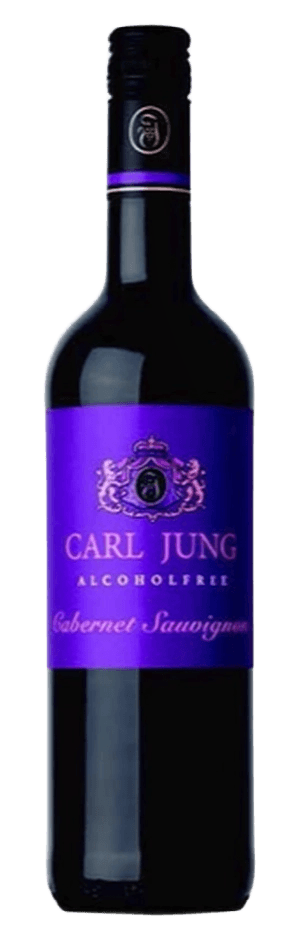
Cabernet Sauvignon
Carl Jung
Chardonnay
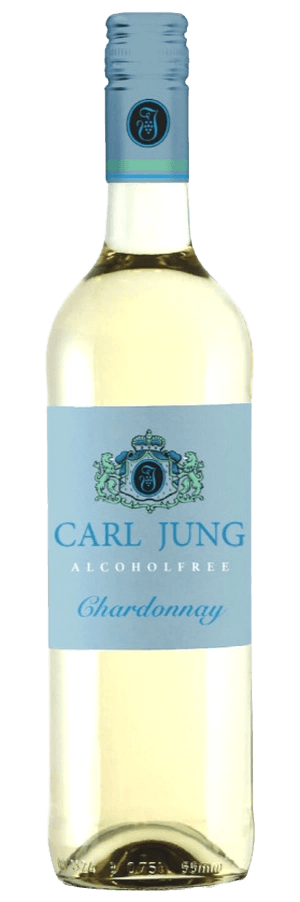
Carl Jung
Chardonnay BIO
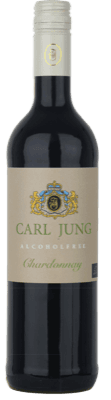
Carl Jung
Cuvée Rot
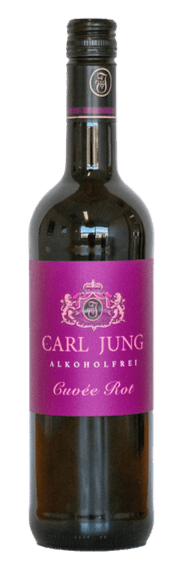
Carl Jung
Cuvée Weiss
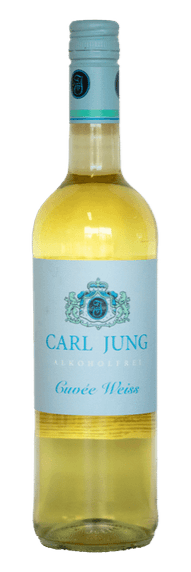
Carl Jung
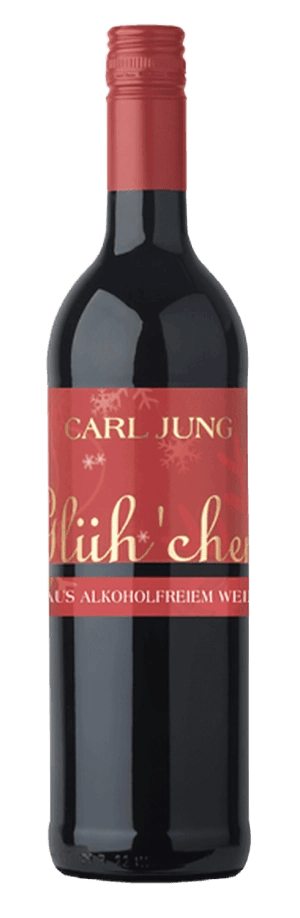
Glüh'chen
Carl Jung
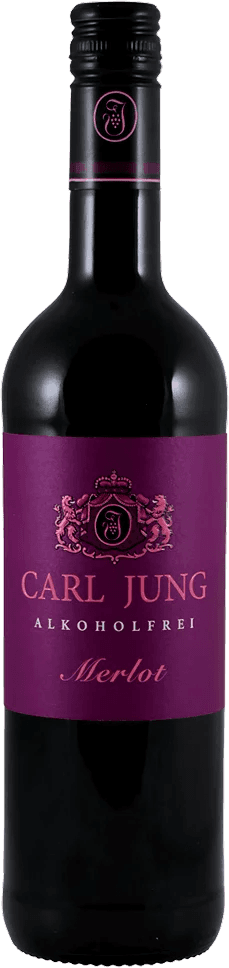
Merlot
Carl Jung
Merlot BIO
Carl Jung
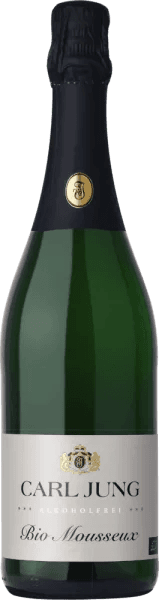
Mousseux Dry Sekt BIO
Carl Jung
Mousseux Riesling
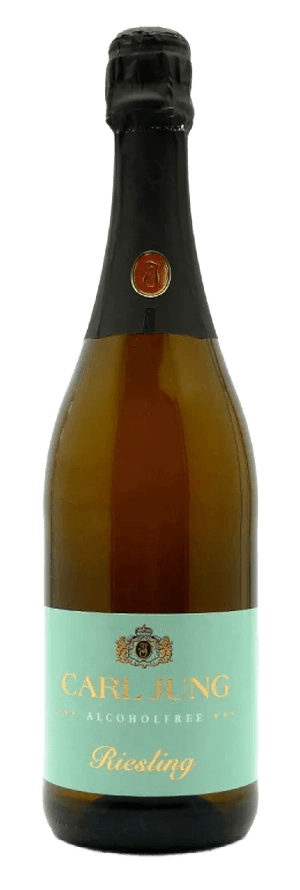
Carl Jung
Mousseux Rosé Sekt
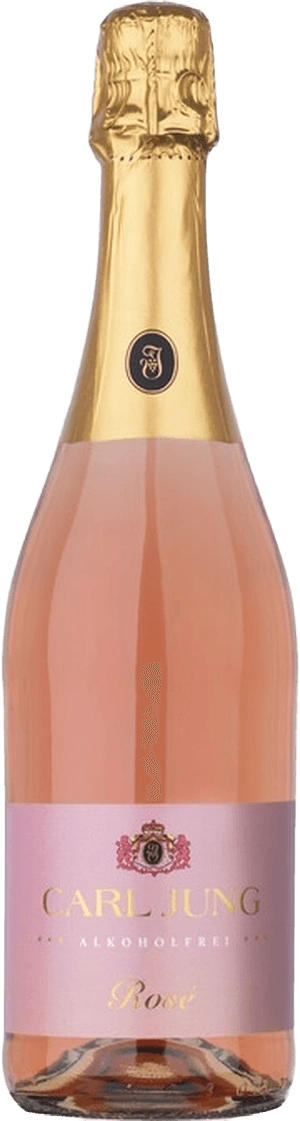
Carl Jung
Mousseux Sekt
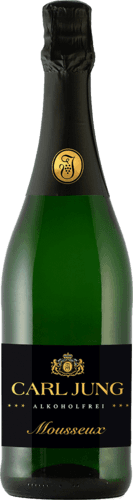
Carl Jung
Peach Sekt
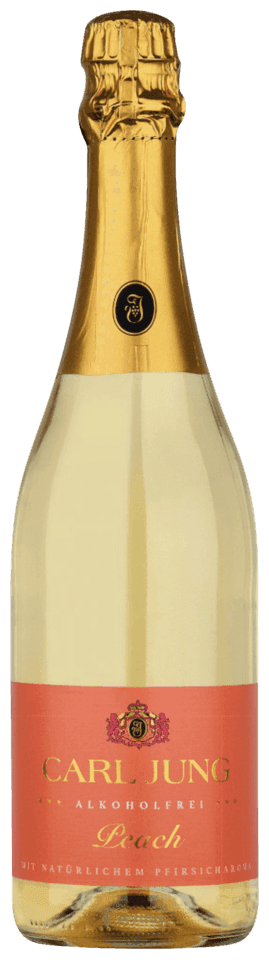
Carl Jung
Riesling Feinherb
Carl Jung
Rosé
Carl Jung
The Herby
At a Glance
- Origin
- Germany
- Price Point
- Premium
- Website
- www.carl-jung.de
Collection
17 drinks