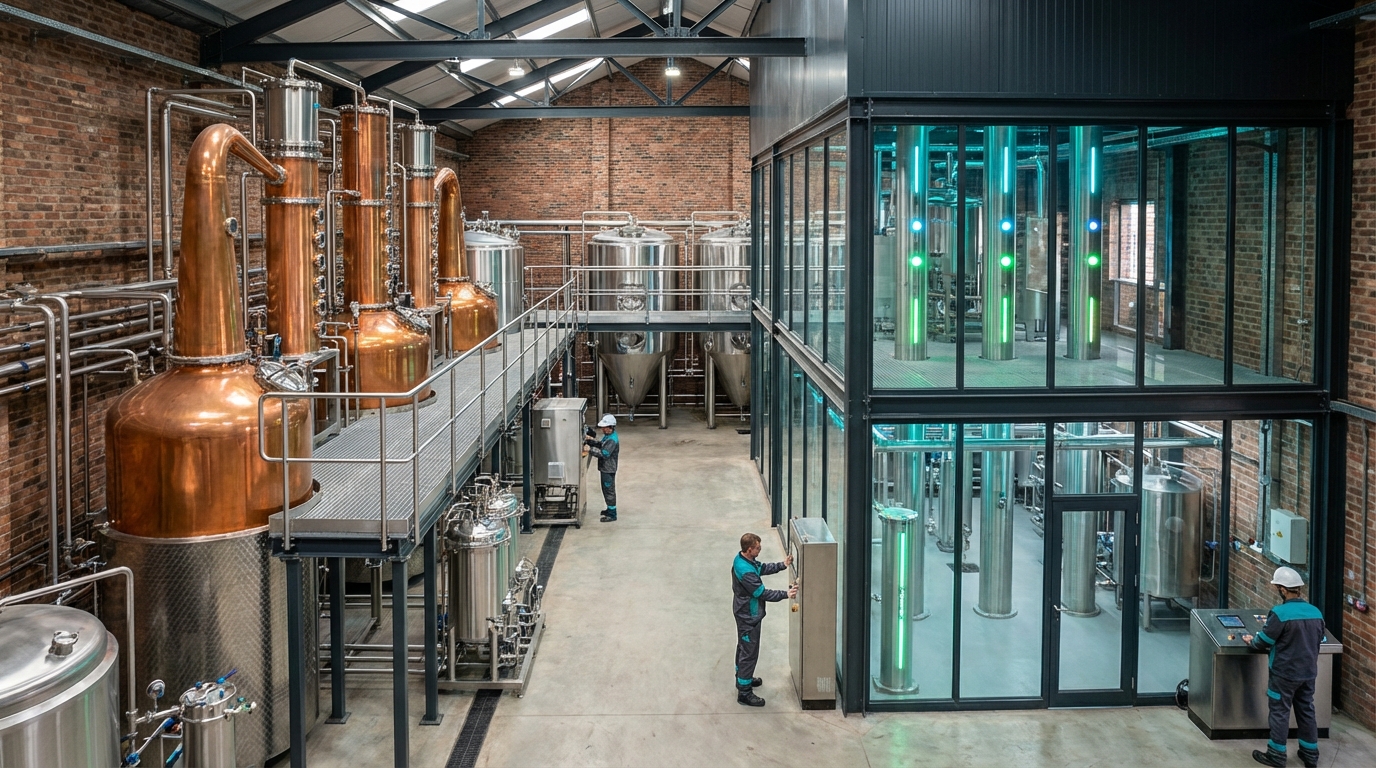
You crack open an alcohol-free beer and it tastes like, well, beer. The hops are there. The malt comes through. Everything except the buzz. But how does that happen? Somewhere between the brewery and your glass, the alcohol vanished without taking all the flavour with it.
The answer involves some genuinely impressive engineering. Not all methods are equal, and the one used on your bottle affects everything from taste to price. Here's what's actually happening.
Why Bother Making It First?
Before diving into removal methods, a reasonable question: why make alcoholic drinks just to strip the booze out? Why not skip fermentation entirely?
Because fermentation creates flavour. Hundreds of compounds develop during this process that simply cannot be replicated any other way. Esters that give fruity notes. Aldehydes that add complexity. The toasted, bready characteristics in beer. The tannin structure in wine. Without fermentation, you have grape juice or malt water. With fermentation and careful alcohol removal, you have something that drinks like the real thing.
The challenge is removing ethanol without taking all those delicious compounds with it. That's where these technologies come in.
Vacuum Distillation
The oldest commercial method, first used by Carl Jung in Germany in 1907. The principle is straightforward: alcohol boils at 78°C while water boils at 100°C. Heat the liquid enough and the alcohol evaporates first.
The problem is that many volatile flavour compounds evaporate at similar temperatures. Heat your wine too much and you get something that tastes cooked, flat, stripped of character.
The solution is vacuum. By reducing pressure, you lower boiling points dramatically. Modern vacuum distillation equipment operates at around 30-48°C, sometimes lower. The alcohol evaporates without the thermal damage that would destroy delicate aromatics.
Packed column distillation takes this further. The liquid passes through columns filled with packing material that creates enormous surface area, making the separation more efficient. Some systems capture aroma compounds separately and blend them back into the dealcoholised base, recovering much of what would otherwise be lost.
The result: Can achieve very low ABV (below 0.02%). Works well for wine and spirits. Some flavour loss is inevitable, but premium producers manage it well. The removed alcohol is high quality and can be sold separately.
Spinning Cone Column (SCC)
Think of this as vacuum distillation's sophisticated cousin. Inside a vertical column, alternating fixed cones attached to the walls and spinning cones attached to a central rotating shaft create thin films of liquid. Steam rises through these films, stripping compounds at temperatures as low as 28-38°C.
The clever bit is the two-stage process. First pass captures the volatile aromas in about 1% of total volume. Second pass removes the alcohol. Then you reunite the captured aromas with the dealcoholised base. The contact time is under 30 seconds, minimising heat damage.
Flavourtech, the Australian company that developed modern SCC technology, also created the Resin Adsorption Column (RAC) to solve a remaining problem. The recovered aroma fraction is still alcoholic, around 60% ABV. For drinks targeting below 0.05%, you cannot simply add it back. The RAC traps these aroma compounds and releases them as a non-alcoholic solution.
The result: Widely considered the gentlest distillation method. Excellent flavour retention. Popular in the wine industry. Can reduce alcohol from 15% down to below 0.5% in a single pass. Equipment is expensive.
Reverse Osmosis (RO)
This membrane technology approaches the problem differently. Instead of heating, it uses pressure. The liquid is forced through a fine membrane that allows water and alcohol molecules through while blocking larger flavour compounds.
What passes through the membrane (the permeate) is a colourless, flavourless mixture of water and alcohol. What stays behind (the retentate) is a concentrated flavour essence. The permeate then goes through a separate distillation step to remove the alcohol, and the water is returned to the retentate, reconstituting the original volume minus the booze.
RO operates at low temperatures, typically 8-10°C, which preserves heat-sensitive compounds beautifully. The downside is incremental alcohol reduction. You cannot go from 13% to near-zero in one pass. Each cycle removes a portion, so full dealcoholisation requires multiple passes or combination with other methods. Maximum practical reduction per pass is around 6% ABV.
The result: Minimal thermal impact on flavour. Popular for beer where you only need to drop from 5% to 0.5%. Less effective for wine where you need dramatic reduction. Often combined with distillation for the final alcohol removal step.
Nanofiltration (NF)
Similar to reverse osmosis but with slightly larger membrane pores. Nanofiltration membranes sit between ultrafiltration and reverse osmosis in pore size, giving them different selectivity characteristics. They allow alcohol through more readily while retaining more organic flavour compounds than RO.
Recent research using polyelectrolyte multilayer nanofiltration membranes achieved nearly 100% alcohol passage, reducing filtered lager from 4.7% down to below 0.5% ABV. Real extract losses ranged between 15-18%, meaning some flavour compounds escaped with the alcohol.
The catch: significant losses of sodium and potassium ions also occur, affecting the beer's mineral profile. Post-treatment with mineral and glycerol additions can restore acceptable sensory characteristics.
The result: Promising technology still being refined. Good efficiency at low temperatures. Some nutrient losses require compensation.
Osmotic Distillation (OD)
Also called membrane osmotic distillation, this uses a hydrophobic hollow fibre membrane to separate wine or beer from an extracting agent, typically water. Unlike other membrane processes, it operates at ambient temperature and atmospheric pressure.
The membrane's porous matrix allows ethanol, which has high vapour pressure, to transition from the liquid to gaseous phase and transfer to the water side. No heating, no pressure, no dangerous byproducts. Simple, safe, energy-efficient.
Osmotic distillation excels at partial dealcoholisation where you want to drop a few percentage points rather than achieve near-zero. For low-alcohol beer production, it offers a good compromise between alcohol reduction and flavour preservation.
The result: Gentle process that preserves volatile compounds well. Limited alcohol reduction capacity compared to distillation methods. Best for partial reduction rather than full dealcoholisation.
Pervaporation (PV)
This membrane technology creates a phase change from liquid to vapour across a dense membrane. The beverage contacts one side of the membrane while vacuum is applied to the other side. Alcohol molecules permeate through the membrane and evaporate into the vacuum, separating from larger flavour molecules that cannot pass.
Hydrophobic membranes, particularly polydimethylsiloxane (PDMS), selectively permit organic compounds to permeate. The permeate can contain 100 times greater aroma compound concentrations than the raw liquid. That makes pervaporation particularly effective for aroma recovery, not just dealcoholisation.
Several producers combine pervaporation with other methods. First, extract aromas via pervaporation. Then dealcoholise via spinning cone or vacuum distillation. Finally, add the pervaporated aromas back to the dealcoholised base. The combination maximises flavour retention.
The result: Excellent for aroma recovery and concentration. Less practical for primary dealcoholisation due to slow processing rates. Often used in combination with other methods.
Dialysis
Water and beer or wine flow in opposite directions on either side of a capillary membrane. Low molecular weight solutes like ethanol pass through the membrane due to concentration gradients between the two streams. No pressure differential, no heating.
Membrane dialysis showed undoubted advantages over other membrane techniques in comparative studies on white wine. The process maintained organoleptic properties and consumer acceptability better than nanofiltration or pervaporation alone. The lack of pressure or thermal treatment minimises sensory degradation.
The limitation is that dialysis works better for partial reduction than complete dealcoholisation. Achieving reductions of 1-2% ABV works well, but getting from 12% down to below 0.5% requires other approaches.
The result: Gentle method that preserves wine character. Best suited for partial alcohol reduction. May see more commercial adoption as equipment improves.
Diafiltration
Not a separate technology but a technique used alongside membrane filtration. After concentrating the beverage through reverse osmosis or nanofiltration, demineralised water is added to replace the removed permeate. This dilutes the concentrated flavours back to normal strength while keeping alcohol content low.
The Alfa Laval Lowal system, a commercial RO dealcoholisation plant, uses this four-stage approach: preconcentration, diafiltration, alcohol adjustment, and post-treatment. Each step occurs at 10-20°C, preserving flavour while achieving final alcohol content below 0.5% ABV.
The result: Standard commercial practice that extends membrane filtration capabilities.
What Happens After Removal?
Here's where things get interesting, and sometimes controversial. Stripping alcohol fundamentally changes the drink. Alcohol provides body, mouthfeel, sweetness, and carries flavour. Without it, wines taste sharper, more acidic, thinner. Beers lose fullness.
Premium producers address this through careful processing that captures and returns original aromatics. They select base wines or beers specifically suited to dealcoholisation. They accept that some character loss is inevitable and work to minimise it.
But cheaper products take shortcuts. Common additions after dealcoholisation include:
Grape juice or must is the most common additive in budget AF wines. It adds back sweetness and body that alcohol removal stripped away. Nothing wrong with this inherently, but it shifts the drink towards grape juice territory. Some producers add concentrated grape juice to fatten the palate and mask the thinness of heavily processed wine.
Sugar and sweeteners compensate for the sweetness that alcohol contributed. Check labels carefully if you are avoiding sugar. Some AF wines contain several teaspoons per serving.
Flavourings replace volatile compounds lost during processing. These might be natural grape extracts, oak flavourings, or other permitted additives. Again, nothing harmful, but distinctly different from recovering and returning original aromas.
Carbon dioxide gets added to still wines to create sparkling versions, and to beers to restore carbonation lost during processing.
Glycerol improves mouthfeel, replacing some of the body that alcohol provided.
Tannins and acids may be adjusted to rebalance the flavour profile.
The difference between premium and budget AF products often comes down to what happens at this stage. Premium producers invest in technology that preserves original character. Budget producers use base wines of lower quality, aggressive processing, then add back sweeteners and flavourings to create an acceptable product.
Which Method Produces the Best Results?
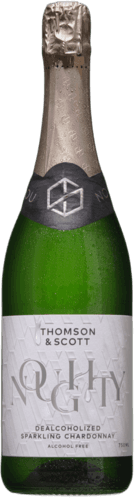
For wine, spinning cone column technology with aroma recovery produces the most wine-like results. Vacuum distillation at very low temperatures comes close. Membrane methods work well for partial reduction but struggle with complete dealcoholisation without combining with distillation.
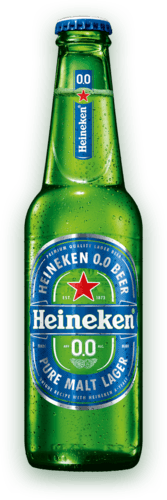
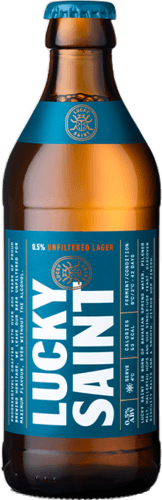
For beer, reverse osmosis dominates commercial production. Beer starts with less alcohol to remove, and hops provide aromatic punch that can mask processing artefacts. Many excellent AF beers use RO effectively.
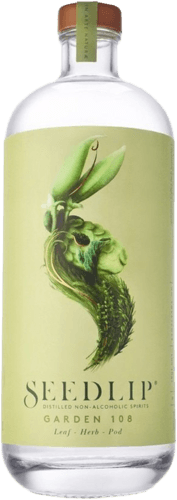
For spirits, the question is different entirely. You cannot dealcoholise whisky or gin and get something that drinks like the original. The alcohol is too central to the experience. Most AF spirits are built from scratch using distillation and flavour extraction techniques rather than dealcoholisation of existing spirits.
The Bottom Line
The sophistication of modern dealcoholisation technology is remarkable. What once produced flat, cooked-tasting liquids now delivers drinks that genuinely resemble their alcoholic counterparts.
But technology alone does not guarantee quality. The base product matters enormously. Processing skill and equipment quality make huge differences. And what happens after alcohol removal can either preserve character or mask deficiencies with additives.
When an AF wine tastes like good wine, that reflects serious investment in quality base wine and careful processing. When it tastes like grape juice with pretensions, that usually means cheap base wine, aggressive processing, and sweeteners making up the difference. Your palate will tell you which is which. The labels often will not.
“Your palate will tell you which is which. The labels often will not”