Fever-Tree

Fever-Tree started with a simple observation: if three quarters of your gin and tonic is the mixer, why settle for something cheap and artificial? Charles Rolls and Tim Warrillow founded the company in 2004 after meeting in a London pub and discovering they'd both spotted the same gap in the market. Gin was enjoying a renaissance, but tonic water hadn't moved on in decades.
Rolls brought industry knowledge from his time running Plymouth Gin. Warrillow contributed branding expertise and a willingness to chase ingredients across continents. Their first mission took Warrillow to the Democratic Republic of Congo in search of the highest quality quinine, inspired by a book called The Miraculous Fever Tree that traced the botanical's history. The cinchona tree, source of quinine and namesake of the brand, had been used for centuries to treat malaria before finding its way into tonic water.
The first Fever-Tree Indian Tonic Water launched in 2005, landing on shelves at Selfridges and Waitrose. It looked different, tasted different, and cost more. The gamble paid off. Within three years, Tesco and Sainsbury's had come calling. The company floated on AIM in 2014 and later moved to the London Stock Exchange's main market as revenues climbed.
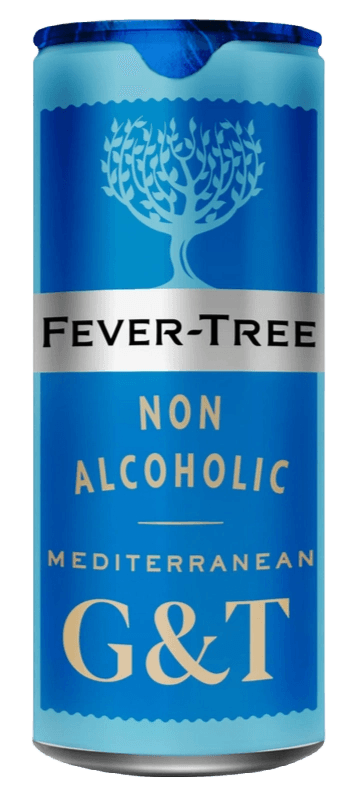
The range has expanded well beyond that original tonic. Elderflower, Mediterranean, and Aromatic variations cater to different gin styles. Ginger beer and ginger ale serve the Moscow Mule and whisky crowds. Club soda, lemonade, and various colas round out the lineup. More recent additions include ready-to-drink cans and cocktail-specific mixers like their Espresso Martini Mixer.
What distinguishes Fever-Tree from supermarket own-brands is the sourcing approach. They hunt down specific ingredients from particular regions: bitter orange from Mexico, Rwandan quinine, ginger from Ivory Coast, Nigeria, and India depending on the product. Whether this makes a detectable difference in your drink is a matter of palate and opinion, but it certainly makes for better marketing.
The premium positioning worked commercially. Fever-Tree essentially created the premium mixer category in the UK and rode the craft gin boom to remarkable growth. They're now exported to over 80 countries, with the United States representing their largest market. Molson Coors recently bought an 8.5% stake as part of a US distribution partnership, signalling continued expansion ambitions.
For the alcohol-free drinker, Fever-Tree offers interesting options beyond plain tonic water. Their ginger beer has genuine heat and works brilliantly in mocktails or over ice with lime. The Sicilian Lemonade and various sodas provide sophisticated alternatives to standard soft drinks. These aren't alcohol-free versions of anything. They're mixers designed to stand alone or complement spirits, which means they're built with flavour complexity in mind.
You'll find Fever-Tree in every major UK supermarket, most corner shops, and countless pubs and restaurants. The 200ml glass bottles are ubiquitous, though the newer can formats are gaining shelf space. Prices sit firmly in the premium bracket, typically two to three times the cost of Schweppes, but many consider it worth paying for a better drink.
Fever-Tree proved that people would pay more for quality mixers. That insight transformed not just their own fortunes but the entire category, prompting supermarkets to develop premium own-brand alternatives and inspiring a wave of craft mixer startups. Whether you're building cocktails or simply want a more interesting soft drink, they remain the benchmark against which others are measured.
At a Glance
- Origin
- UK
- Price Point
- Premium
- Website
- fever-tree.com
Available at
The Collection
2 drinks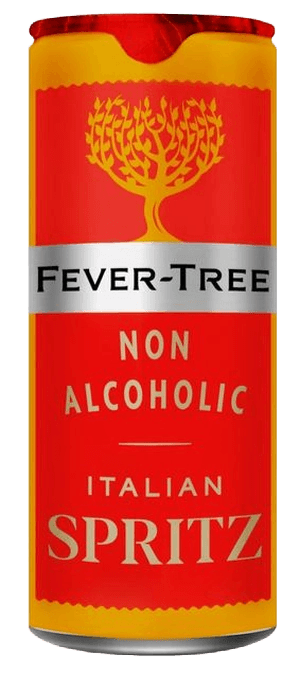
At a Glance
- Origin
- UK
- Price Point
- Premium
- Website
- fever-tree.com
Collection
2 drinks