Dalston's

Dalston's started life in 2012 inside a community nightclub in East London. Passing Clouds had a policy of not serving branded cola, which left bartenders with little to offer customers who wanted something fizzy. Two former chefs, Duncan O'Brien and Steve Wilson, decided to fix that problem themselves. They began brewing small batches of natural cola in the club's kitchen, sourcing ingredients from Ridley Road Market down the road.
The timing felt right. The London Olympics had plastered Coca-Cola branding across the city, and the founders saw an opening for something different. Their first creation, Dalston Cola, was deliberately positioned as an alternative to the corporate giants. It worked. Word spread through East London's food scene, and soon they were hand-filling and labelling bottles in a unit in Hackney Wick.
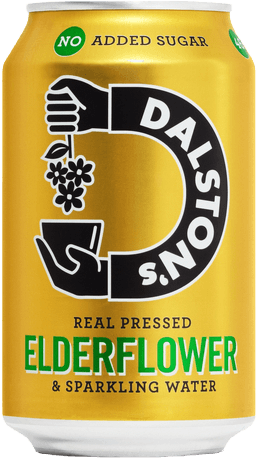
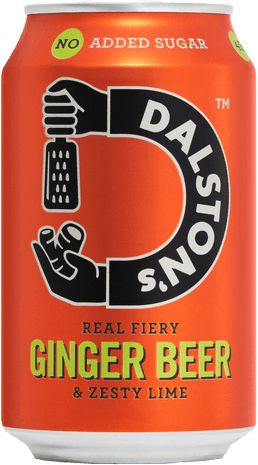
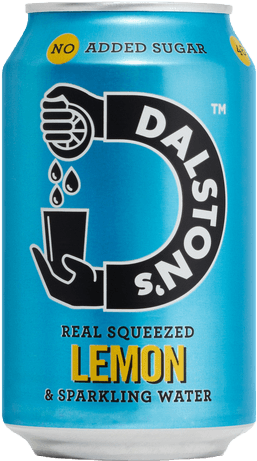
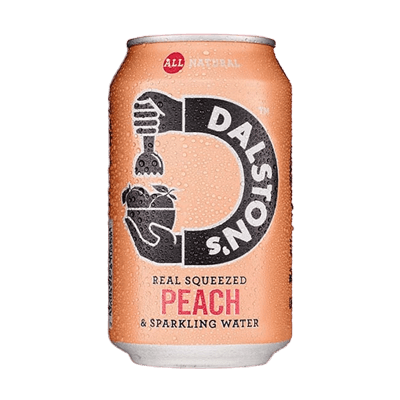
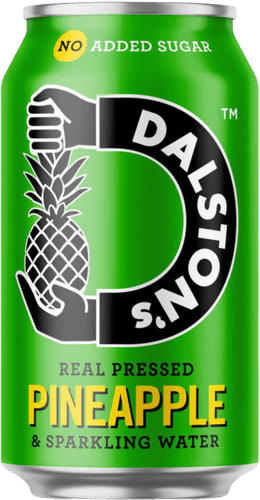
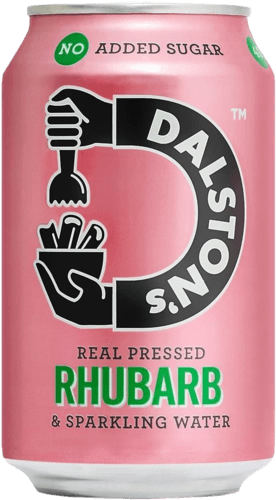
What started as a cola has grown into a proper range of fruit sodas. Rhubarb, cherry, elderflower, ginger beer, lemon, peach, and pineapple now sit alongside the original. The elderflower uses hand-picked flowers from Ross-on-Wye. Everything contains real fruit, no added sugar, and nothing artificial. These are soft drinks designed by people who actually understand flavour, not marketing departments chasing trends.
The chef background shows in how they approach recipes. Duncan previously cooked on the Orient Express before moving into food manufacturing. That culinary training translates into drinks that taste properly balanced rather than cloyingly sweet or artificially sharp. Each flavour goes through rigorous testing before making it to market.
Dalston's has always worn its East London roots proudly. The name, the aesthetic, the attitude all come from that particular corner of the city. But they've outgrown the local markets that once supplied their ingredients. Production moved from Hackney Wick to Mile End, then scaled up further. They now source from farms rather than market stalls, though the approach remains the same.
The switch from glass bottles to aluminium cans reflected a broader commitment to sustainability. They achieved B Corp certification, joining a growing number of drinks brands taking environmental responsibility seriously. Carbon neutral operations and transparent supply chains matter to their core customers.
You'll find Dalston's in places that care about what they serve. Independent coffee shops, burger joints that source properly, farm shops with considered selections. The bigger retailers have caught on too. Waitrose, Ocado, Asda, Co-op, and Wholefoods all stock them. At last count, over 9,000 spots across the UK carry the brand.
For the alcohol-free category, Dalston's matters because they proved premium soft drinks could compete for attention alongside craft beers and natural wines. When someone chooses not to drink alcohol, they shouldn't be stuck with mass-market cola or sugary juice. Dalston's gave hospitality venues something better to offer.
The range works well as mixers too. Ginger beer in a mocktail, elderflower topped with sparkling water, rhubarb over ice on a warm afternoon. These are drinks that hold their own rather than disappearing into the background.
Direct ordering is available from their website, with mixed packs offering a good way to try the range. But walking into most decent food shops in the UK, you'll likely spot those distinctive cans already on the shelf.
At a Glance
- Origin
- UK
- Price Point
- Premium
- Company
- Dalston's Soda Co
- Website
- dalstons.com
The Collection
7 drinks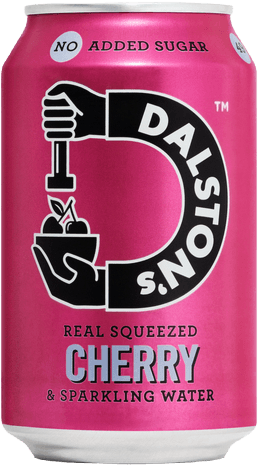
At a Glance
- Origin
- UK
- Price Point
- Premium
- Company
- Dalston's Soda Co
- Website
- dalstons.com
Collection
7 drinks
